
How to Create Strong Passwords and Manage Them Safely
Why most passwords fail
Attackers don't guess — they use stolen password lists and brute-force tools that try billions of combinations per second. "P@ssw0rd123" is cracked instantly. Length beats complexity: a 16-character random password is essentially unbreakable.
The 3 rules
- Long: 16+ characters.
- Unique: never reuse a password across sites — one breached site leaks them all.
- Random: no names, birthdays, keyboard patterns or common substitutions.
Method 1: Passphrases (for humans)
String together 4–5 random words: correct-horse-battery-staple-42. Easy to remember, extremely hard to crack. Make the words truly random — song lyrics and quotes are in every cracker's dictionary.
Method 2: A password manager (recommended)
Use a reputable manager — Bitwarden (free), 1Password, or KeePass. It generates unique 20-character passwords for every site, autofills them, and syncs across devices. You memorize exactly one strong master passphrase.
- Store your master password somewhere safe (and never in a plain text file).
- Turn on the manager's built-in 2FA.
- Run the manager's "weak/reused password" report and fix the flags.
Method 3: Two-factor authentication (2FA)
Even a stolen password is useless if 2FA is on. Enable it for email, banking, social media and work accounts:
- App-based (best): Google Authenticator, Authy, Microsoft Authenticator.
- Security keys: strongest option (YubiKey etc.).
- SMS codes: better than nothing, but vulnerable to SIM-swap attacks.
Check if you've been breached
Visit haveibeenpwned.com and enter your email — it lists known breaches involving your accounts. Change those passwords first.
Need a security audit?
Our security service reviews your setup and hardens your accounts. Ask us anything.
Related Articles
 Windows
How to Fix Windows 11 Slow Performance
Is your Windows 11 PC lagging, freezing or taking forever to boot? Follow this step-by-step guide to speed it up…
 Windows
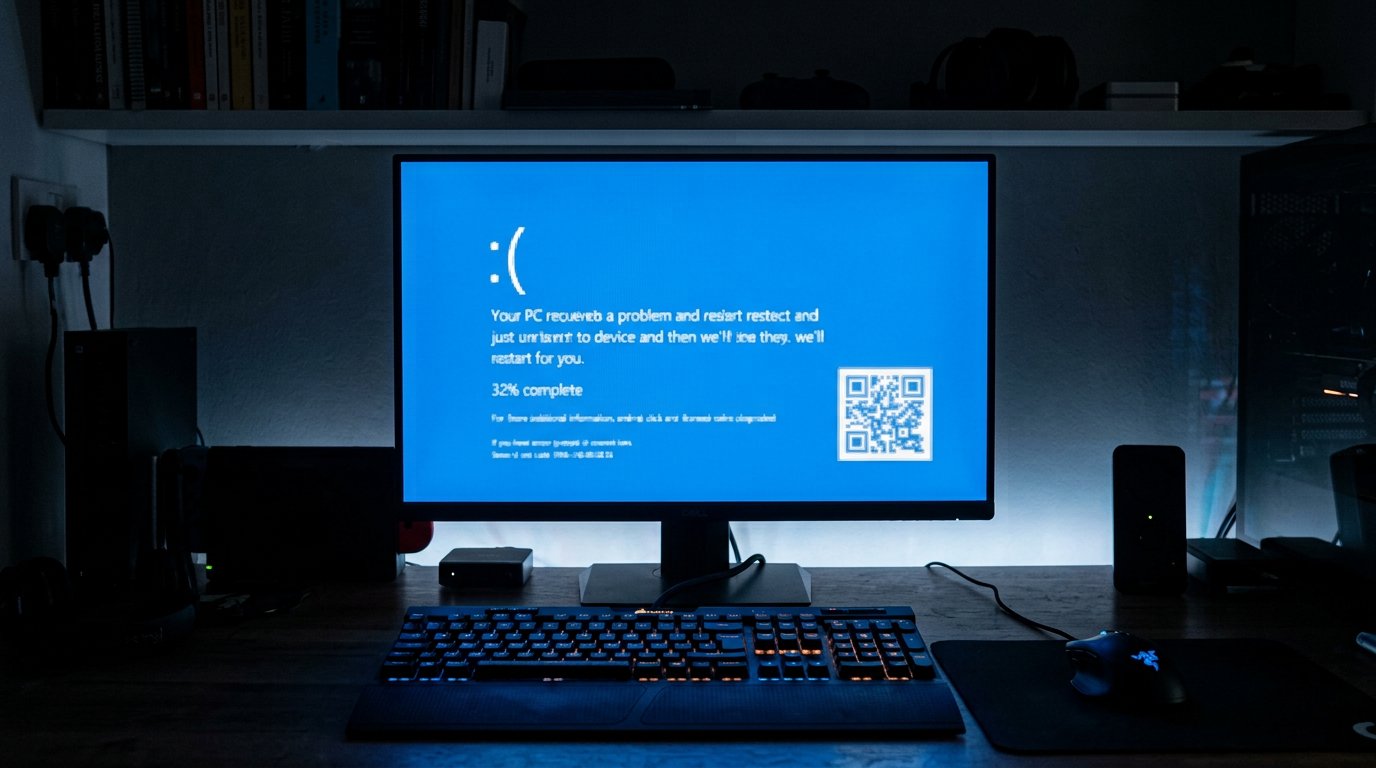
How to Fix Blue Screen of Death (BSOD) Errors on Windows
Stop errors like IRQL_NOT_LESS_OR_EQUAL, CRITICAL_PROCESS_DIED and MEMORY_MANAGEMENT. Learn what BSODs mean and how to…
 Windows
How to Reset a Forgotten Windows Password Without Losing Files
Locked out of your Windows 10 or 11 PC? Here are safe, legal ways to regain access without losing your files.
Comments (0)
No comments yet. Be the first to share your experience!
Leave a comment